Tasting Terroir: Slow Food Traditions in Forgotten Hill Towns
How ancient stone mills, indigenous olive varietals, and ancestral cooking methods defend the identity of rural communities.
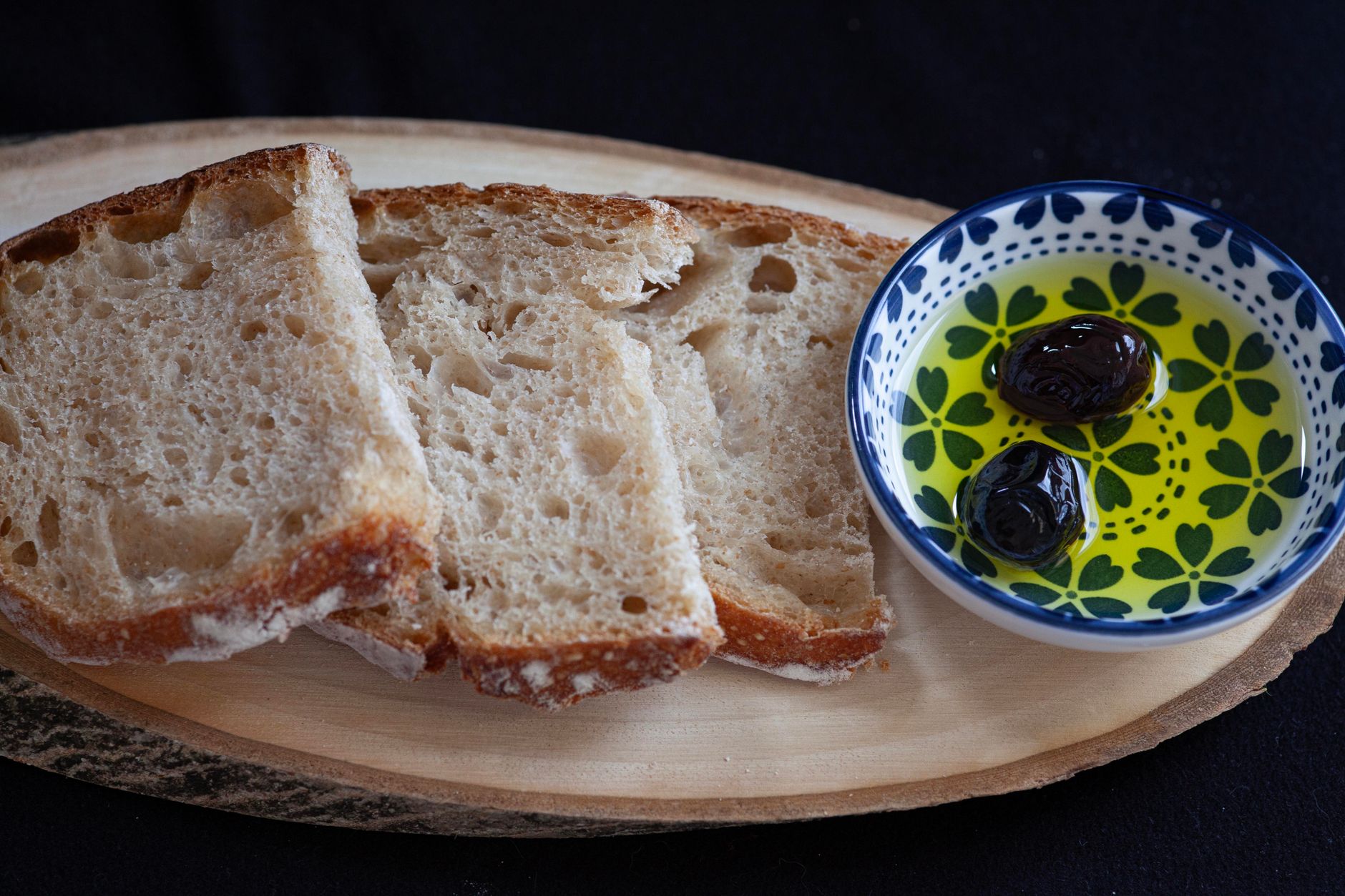
"When you consume food grown within sight of the table upon which it is served, you eat not just nourishment, but geographical history."
In the quiet interior of central Italy and northern Portugal, away from high-speed train corridors, food remains tethered to season and topography. Here, the term 'farm to table' is not a marketing credential; it is the only paradigm that has ever existed.
The Stone Mill of Montefalco
We spent three mornings inside an olive press operated by the same family since 1782. The scent in the room is overwhelming: grassy, sharp, slightly peppery, with notes of artichoke and cut clover. Cold granite wheels crush the Moraiolo olives into a glistening paste before traditional coconut fiber mats press out liquid gold.
To taste olive oil within moments of extraction is a sensory revelation. The peppery bite in the throat—caused by polyphenols preserved through cold mechanical crushing—is a testament to purity that industrial supermarket supply chains simply cannot duplicate.
"Industrialization treats ingredients as interchangeable commodities. Slow food recognizes that every parcel of soil bears its own dialect."
— Master Miller Marco RossiResurrecting Heirloom Grains
A short drive into the adjacent valley introduces a cooperative of young farmers revitalizing ancient grain strains such as Senatore Cappelli and Farro monococcum. Unlike high-yield modern wheat engineered for rapid chemical baking, these ancestral grains possess deep root structures capable of extracting minerals from stony karst soils without synthetic fertilizers.
The resultant sourdough breads, baked inside wood-fired masonry ovens using spontaneous wild starters, carry complexity, digestive gentleness, and an aroma that transports the diner back centuries.
Mindful Culinary Travel Principles
- Seek the Trattoria Without a Printed Multilingual Menu: Hand-written daily chalkboards signal cooking driven by morning market finds.
- Travel during the Autumn Harvest: October and November offer grape harvest (vendemmia) festivals and fresh olive oil tastings without tourist crowds.
- Support Heritage Preservation Cooperatives: Direct purchases from certified organic smallholders directly subsidize soil regeneration.
Plan Your Culinary Pilgrimage
Our culinary itineraries connect travelers with boutique vineyards, stone mills, and artisan farmhouses.
Inquire for Details