The Silent Ridges: Hiking the Unmarked Valleys of the Italian Dolomites
Beyond the well-photographed spires of Tre Cime lies an expansive sanctuary of white rock, high pastures, and profound alpine stillness.
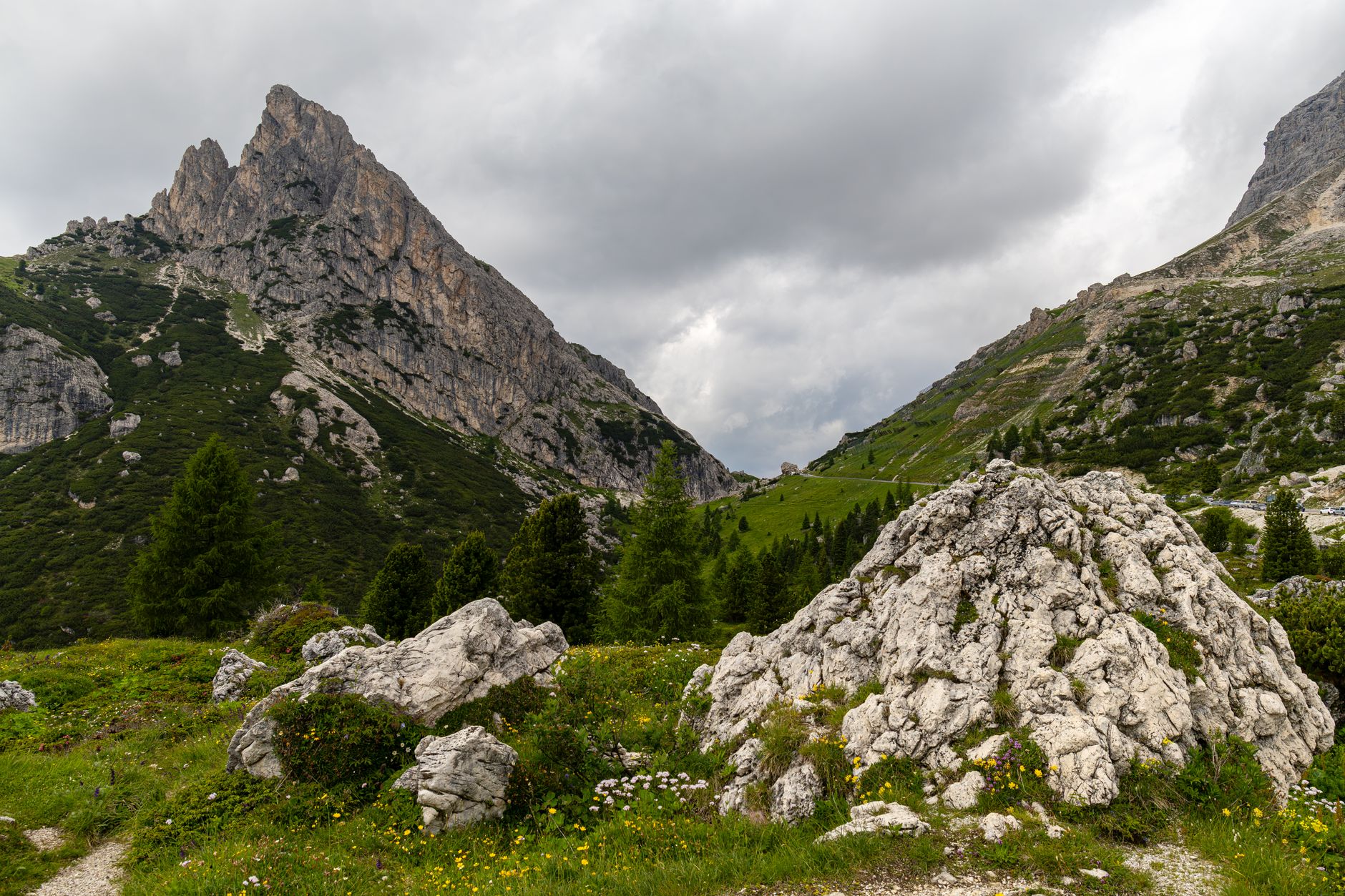
"To walk into an alpine valley before the sun crests the eastern wall is to enter a world that does not yet know modern velocity."
The limestone massifs of northern Italy have achieved near-mythic status in contemporary travel imagery. Millions flock annually to standard observation decks, queuing for identical photographs along paved mountain corridors. Yet merely three kilometers to the south, separated by an unassuming scree slope and a forgotten sheep gate, the landscape transforms completely.
Finding the Unmarked Pass
Our journey began in Val di Zoldo as morning mist clung stubbornly to larch trees. Carrying lightweight packs containing little more than waterproof notebooks, wool layers, and local rye provisions, we followed a trail marked only by occasional paint strokes left decades ago by local shepherds. The silence in these valleys is not empty; it is dense with wind, falling water, and the distant clatter of chamois traversing scree.
As the elevation crosses two thousand meters, vegetation gives way to stark, sun-bleached rock. Here, the sheer scale of the geological formations forces a recalibration of human importance. You do not conquer these mountains; you merely pass through with respectful quietude.
"True wilderness is not defined merely by distance from civilization, but by the absence of human urgency."
— Dispatch from Rifugio SommarivaThe Ethos of High Refuge
In high-altitude rifugi, the pace of life synchronizes with sunlight. Solar batteries power modest reading lamps; dinner is shared communally at long pine tables: polenta with mountain herbs, aged malga cheeses, and bitter herbal amaro infused with foraged gentian root. There are no cellular notifications to punctuate thoughts.
Travel in these spaces reminds us that modern exhaustion is rarely physical; it is cognitive. Six hours of steady ascent through cool air and stone heals what months of desk-bound digital labor deplete.
Practical Field Advice
- Best Season: Mid-June to late September, when high passes are clear of late spring avalanches.
- Gear Choice: Sturdy leather boots with ankle support; collapsible trekking poles; topographic 1:25,000 maps rather than sole reliance on GPS devices.
- Accommodation Etiquette: Always reserve rifugio beds months in advance; carry your own sleep sack; carry all personal refuse back down to the valley.
Inquire About Self-Guided Alpine Dossiers
Receive our hand-annotated trail maps, vetted mountain refuges, and transport schedules for the Dolomites.
Consult the Desk